- 28.04.2026.
- Marketing
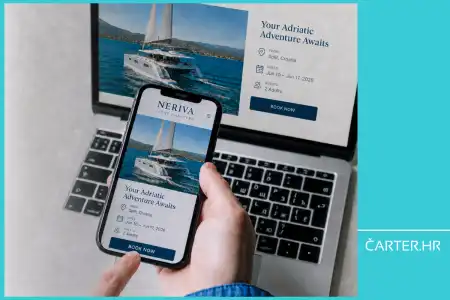
A newsletter for charter companies doesn’t have to be complicated to deliver results. What matters is setting it up in a way that is sustainable for your team, useful for your audience, and focused on content that builds trust, not just occasional sales. In this guide, we explain how to create a newsletter your charter company can realistically send, how to use email marketing to build relationships and turn interest into real leads, and we share three topic ideas that can easily become your first campaigns.
Many charter companies know they should be sending newsletters. The issue is rarely a lack of belief in email marketing, but rather not knowing how to set it up in a way they can maintain month after month.
This is where things usually stall. The idea exists, the contact database may exist as well, but then the questions begin: who to write to, what to send, how often, who will prepare it, and whether it will actually generate leads.
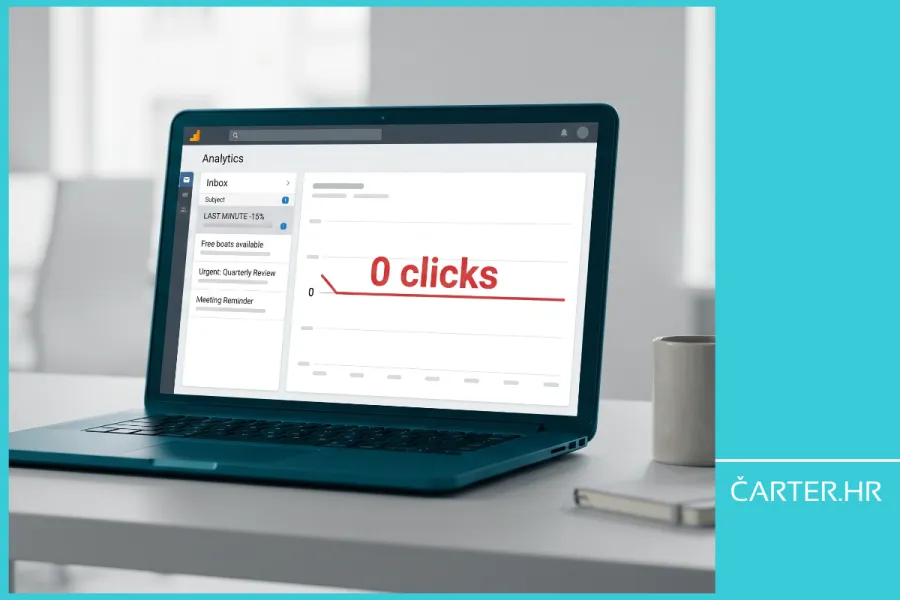
As a result, newsletters in many charter companies remain just a good intention. One email is sent before the season, another when only a few slots remain, and then it stops. Not because email marketing doesn’t work for charter companies, but because it hasn’t been set up in a way that is sustainable for the team.
And that is the key point. A newsletter that delivers results is not the one that looks the best, but the one your company can actually send. Regularly, with purpose, and without feeling like you are starting from scratch every time.
Why newsletters in charter often don’t take off
The most common issue is not the tool. It’s not the design either. The problem lies in unrealistic expectations and a poor starting approach.
A company decides to launch a newsletter and immediately imagines the ideal system: beautifully designed campaigns, multiple audience segments, automation, tailored messages for every stage of the sales funnel, and regular sending throughout the year. In reality, no one has the time to prepare it, it’s unclear what to send each month, and the entire project quickly falls into the background.
Another common mistake is treating the newsletter purely as a sales channel from the start. If every email is simply “book now,” people will quickly stop opening your messages. In charter, as in other areas of tourism, email marketing works best when it builds relationships, not when it constantly pushes for a sale.
The third issue is inconsistency. If newsletters are only sent when there is panic over empty slots, the audience quickly senses that the communication is not planned. Such messages rarely build trust. They simply signal urgency.

What a charter newsletter should actually do
A good newsletter doesn’t have to be long. It doesn’t have to be perfectly designed. It doesn’t have to sell every time. It needs a clear purpose.
A charter newsletter can do several important things at once. It can remind the market that you exist. It can maintain contact with people who have already shown interest. It can clarify your offer. It can answer common pre-booking questions. And it can help turn interest into real inquiries.
This is especially important in the charter industry, where booking decisions rarely happen instantly. People research, compare, ask questions, revisit options, and only then decide who to contact. If you stay present through meaningful email marketing, you remain visible even when they are not yet ready to book.
In other words, a newsletter is not just a channel for selling available dates. It is a tool for building trust, maintaining relationships, and generating leads.
Email marketing must be sustainable
This is the most important point. If you want your newsletter to work, it must be realistic for your team.
That means not starting with weekly emails if you don’t have the time or content to support that rhythm. It’s far better to send one quality newsletter per month than four average ones you will stop sending after a few weeks.
For most small and mid-sized charter companies, a healthier approach looks like this:
1. one newsletter per month in the off-season
2. two newsletters per month during key periods, when inquiries increase or important booking windows open
This rhythm is frequent enough to stay visible, yet realistic enough for your team to maintain without added pressure.
The worst option is building a newsletter system that looks great on paper but cannot be sustained in practice.
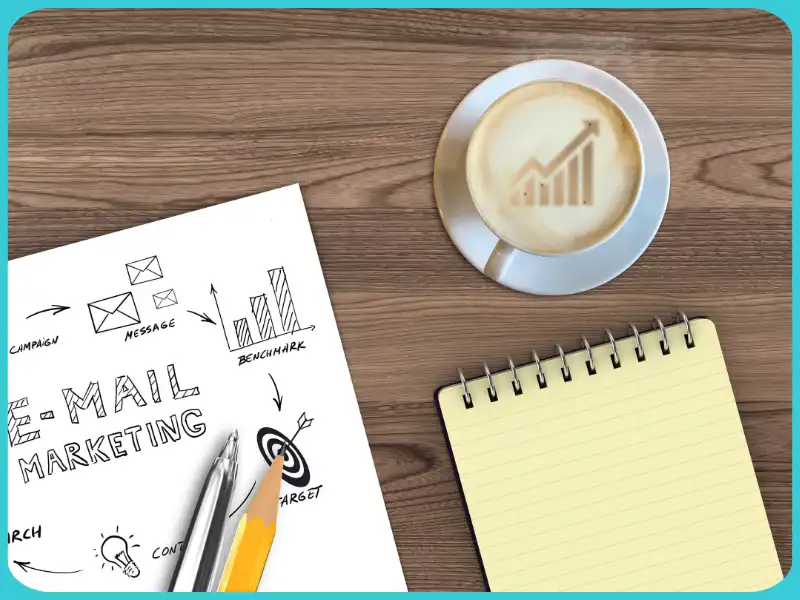
Don’t try to sell in every email
One of the main reasons newsletter campaigns fail is that every message tries to close a sale.
Your audience will notice. If you only reach out when you need to fill dates, they will start ignoring your emails. That approach does not build relationships. It creates the impression that you only communicate when it suits you.
A better approach is to give each newsletter one of three roles:
- inform
- remind
- activate
One email can explain what guests should know before booking. Another can highlight specific dates or seasonal opportunities. A third can re-engage people who have been considering but haven’t yet inquired.
This does not mean newsletters won’t generate leads. They will. But often precisely because they don’t feel like constant sales pressure.
Who are you actually writing to?
Many newsletters sound like they are written for everyone, but in reality, they are written for no one.
Charter companies typically have several types of contacts:
- past guests
- people who inquired but didn’t book
- agents and partners
- website leads
- followers who are not yet ready to decide
Writing to someone who has already sailed with you is not the same as writing to someone exploring charter for the first time. Writing to an agent is not the same as writing to a family planning a summer trip.
You don’t need perfect segmentation from the start. It’s enough to know whether you are speaking mostly to warm contacts who already know you, or to people who are still deciding if they can trust you.
That small distinction significantly changes your tone, content, and call to action.
What a newsletter people actually open looks like
A good charter newsletter does not need to look like a mini catalogue. Simpler, clearer messages often perform better.
The subject line should be clear. The reader should immediately understand why they should open the email. No need to overcomplicate or sound overly “marketing-driven.”
The introduction should quickly explain why the content matters. A few sentences are enough.
The main body should focus on one key topic. The biggest mistake is trying to say everything at once: available dates, fleet updates, destination stories, guest tips, and multiple promotions. Such emails feel scattered and leave no clear message.
At the end, there should be one clear call to action. Not several. Just one: send an inquiry, reply to the email, check availability, or ask for a recommendation.
What a newsletter should not be
It should not be a copy of a sales brochure. It should not be a collection of random information. And it should not feel like it was sent just because “it’s time to send something.”
More importantly, it should not be disconnected from real audience questions. If your sales team keeps receiving the same questions about skippers, booking terms, vessel types, family options, routes, or costs, those are your newsletter topics.
The best newsletters come from real situations, real questions, and real market uncertainties.
How newsletters generate leads in charter
Leads don’t come only from ads, social media, or website forms. They also come from the impression your company builds over time.
When someone receives several useful, clear, and relevant newsletters, they are more likely to contact your company when they are ready. Why? Because they already feel that there is a knowledgeable, reliable team behind the brand.
That is the advantage of email marketing. Unlike social media, where your posts may not reach everyone, newsletters land directly in the inbox. If the topic is strong and the content valuable, the connection stays alive.
Every newsletter should have a logical next step. It doesn’t always have to be a direct sale. Sometimes it’s enough to invite a reply, a request for recommendations, or a question about availability. That is already a lead, often a higher-quality one than a quick ad click.

Three newsletter topics you can actually send
The biggest challenge is often deciding what to send. Here are three practical, useful topics that can easily become your first campaigns:
1. What guests ask most before booking
This is an ideal starting point because it is based on real inquiries. Cover three to five common questions: do they need a skipper, what is included in the price, how early to book, which option suits families, payment terms, or what to expect at check-in.
CTA: If you have questions about choosing a vessel or timing, reply to this email and we’ll send you recommendations.
2. Available dates, but in context
Instead of a simple list of availability, frame it around specific guest types: families in June, couples seeking a quieter period, groups of friends, or routes best suited to certain times of the season.
This helps readers see themselves in the offer.
CTA: Get in touch and we’ll suggest the best dates and vessel for your plans.
3. One useful topic that helps decision-making
For example: how to choose between a catamaran and a sailboat, what bareboat charter means, what a first week on board looks like, how to plan a route, or how to choose a base.
These topics build trust and keep your audience engaged.
CTA: Planning your first charter? Contact us and we’ll help you find the best option.
A simple 3-month plan
If you’re starting from scratch, you don’t need a complex system. A simple plan is enough:
Month 1: an educational newsletter answering common questions
Month 2: availability presented in a clear, guest-focused context
Month 3: one helpful topic that supports decision-making
This gives you structure, simplifies preparation, and helps you learn what your audience responds to, without pressure to create large campaigns.
Why this channel works long-term
A newsletter is not a quick win for leads. It is a channel that becomes more valuable over time.
The more consistently and thoughtfully you send it, the more trust you build. People begin to see your company as one that communicates clearly, offers useful content, and avoids pushy messaging.
In charter, decisions are rarely impulsive. They happen after multiple touchpoints. A newsletter is one of the few channels you fully control, without relying on algorithms.
A channel that builds trust and leads
A newsletter that generates leads is not the most complex one, but the one that is sustainable, clear, and useful.
Email marketing can be a highly valuable channel when set up realistically. With a rhythm your team can maintain, topics rooted in real audience questions, and messages that don’t feel like constant selling, the newsletter becomes more than a task.
It becomes a channel that builds trust, maintains relationships, and brings in higher-quality inquiries.
If you’re thinking about setting up a newsletter your charter company can actually sustain, or want to build an email marketing strategy aligned with your audience and sales cycle, feel free to reach out.
A good newsletter doesn’t happen by chance. It comes from a clear plan, strong content, and a real understanding of what your audience wants to read.
Categories of trends
- News
- Sale
- Marketing
- SEO
- Web design
- Social media
- Technology
- Regulations
- Management
- Education
- Finances
- User experience
- Graphic design
Newsletter
Sign up for the newsletter and receive the latest trends and tips straight to your inbox