- 02.10.2023.
- News, Management
What exactly is a nautical charter company? The view "on the outside" is always that a yacht charter is an unattainable luxury for many. But the reality is that everyone struggles with their own issues. If the problems become too much to handle, we have some advice for you.
When yacht charter is mentioned, people immediately think of wind in their hair, motorboats, and sailboats, top destinations... So, perfect Instagram posts.
The truth is far different.
Not for your guests, of course. The priority was (and remains) to provide them with that perfect "Instagram vacation".
But a yacht charter company (like any other company) has its own problems and faces various situations.
Whatever the situation, every yacht charter needs to know where it stands, business-wise, at all times. So, if you were to carefully analyse your situation and determine the current profit, growth, and market share - would you be able to realistically see and recognise all the shortcomings?
Market dynamics, changing demand trends, economic conditions, pandemics, and even climate changes constantly influence tourism in general, including nautical tourism.
Sometimes, all these factors are "too much", and the question may arise: Stay or leave?

Recognise the signs when it's time to withdraw
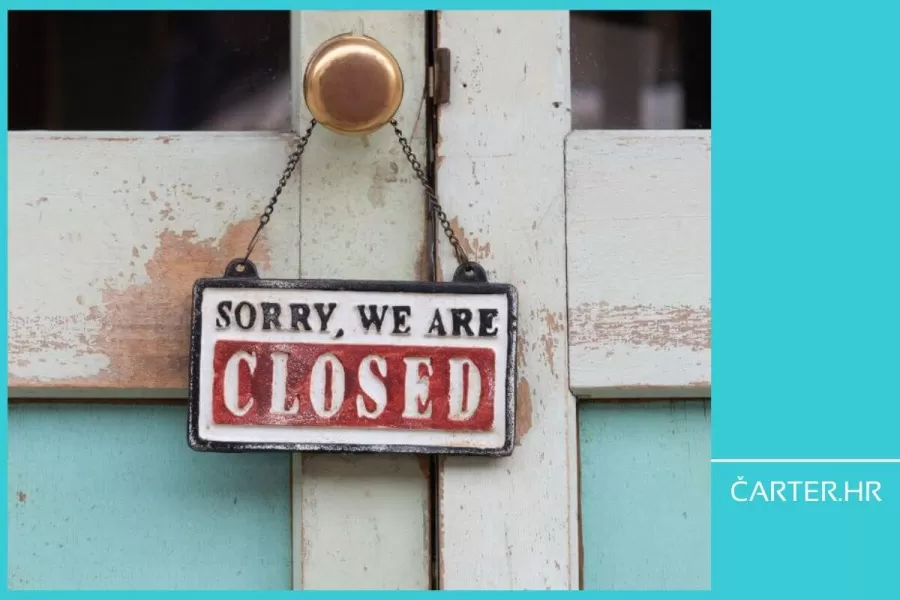
If you decide to leave and close your yacht charter company for any reason, you should be able to recognise when the time has come.
And face the decision, whatever it may be.
Facing the decision to close a company is not easy. The decision is difficult but must be based on a clear insight into the situation.
But it is crucial to understand that, at a time when the business no longer seems viable, closing a company is a big undertaking.
This decision doesn't mark the end of the road but can open some new options. Closing a company doesn't necessarily mean failure.
It can be a turning point that allows you to reorient yourself towards another, more successful future journey.

How to "properly" close a yacht charter company
The company's closure predominantly occurs precisely because of financial challenges and insolvency. Basically, you should do everything to minimise them.
Almost as much as opening a yacht charter company and closing it starts with a thorough plan. Evaluate the business assets at your disposal, i.e. inventory. This applies to your fleet of vessels, equipment and real estate (business premises, warehouses and the like).
Create a thorough closing strategy once you have a clear picture (and list) of all your resources. Determine the actual value of your company and start planning future steps. All that you have acquired over the years, you will need to know how to "distribute" well.
However, consider your options before you put the key in the lock and start selling off your property.
Consider whether there is a possibility of merging with another company to use all the resources.
Maybe another company wants to expand into your specific niche, and your equipment and expertise could be just what they need.
If you had some long-term goals, which you certainly did, maybe some can be achieved. Not through you directly, but with help. For example, someone else can take over your fleet (in whole or in part).
Legal obligations and liability when closing a yacht charter company
Closing a company entails specific legal responsibilities but also a lot of bureaucracy. When closing a yacht charter company, not only do you have to manage the entire company liquidation process, but you also have to be prepared to:
- termination of contracts with workers
- cancellation of contracts with partners and distributors
- performance and settlement of tax obligations
- cancellation of the maintenance contract
- settlement of debts to all
Know that you also have an ethical responsibility towards your employees, partners and clients.
It is necessary to ensure the payment of all possible arrears of wages, the correct termination of employment contracts with employees, and refunds for all unperformed services or unused products.
In addition, you should inform all clients and associates about changes to your business, i.e., the company will no longer exist from a certain date.
Each step in this part of the process should be carefully executed and documented. In this way, you protect yourself from possible future legal problems and ensure the settlement of obligations towards all participants fairly and transparently.
Closing a business the right way is crucial to maintaining your professional reputation. But also building the foundation for some future business ventures.

Stay or leave (or do a complete rebranding)
Every challenge comes with its own lessons. Closing a yacht charter company can be the beginning of a new chapter.
Don't ignore those "intangible" but equally valuable resources like your intellectual property, reputation and experience.
Your specific knowledge of charter management or unique methods for optimisation and productivity can have some worth. And be redirected somewhere else.
Maybe another time, you'll learn how important it is to react to market trends on time, constantly improve, conduct training, and introduce innovations to remain competitive.
To stay "in the plus", we suggest the following strategies:
Business assets sale - your yacht charter company certainly had significant material assets such as vessels, equipment or real estate. Selling them can cover most or all of your debts. But it can also provide the necessary liquidity for further financial stability.
Transition to a new business model - perhaps your experience and knowledge gained through running a charter company will be useful in a new business context. For example, maybe they could start a business consultancy or become a mentor for future entrepreneurs.
Leveraging intellectual property - your company may have valuable intellectual property, a successful brand, and even a copyright. By selling rights or licenses, you can create additional sources of income.
Reorientation or rebranding - closing a company doesn't mean you have to leave the industry. Try modernising your business, finding a new niche, or even changing your entire brand to attract a new target group.

Transformation and a new path with the help of rebranding
It is not for nothing that it is said that the end of one journey is only the beginning of another.
Closing a yacht charter company doesn't necessarily mean the end of the road. Sometimes, even when it seems that closing is the only possibility, it's a real opportunity to rethink your goals and to create new, innovative projects. Be it in the nautical industry or elsewhere.
Rebranding, or reconstruction of your company, is a potentially great alternative. Especially if you know and feel your yacht charter company still has potential and is not a candidate for closure. Maybe it just needs a new identity, a new direction or a new focus.
For example, suppose until now you have only been engaged in the "ordinary" rental of sailboats or motorboats. In that case, you can transform into a company that provides different nautical experiences. Try to raise the current service to a new, more luxurious level. Offer personalised tours. Put your focus on things that haven't "been right" so far.
If your reviews were bad, try from the beginning and work on a better user experience for your guests. If you have had a constant turnover of employees who were constantly leaving, especially at peak season, commit to good employee management.
Changing your company name, redesigning your logo, revamping your website, and a well-thought-out digital marketing strategy are all parts of the rebranding process that can help your yacht charter get off to a fresh start.
In addition to rebranding, you can consider other options. Try to diversify your business and invest in other segments of the nautical industry, such as boat maintenance or navigational equipment.
You can use your experience and expertise to start a completely new company which deals with a completely different niche.
If you need consulting services or specific guidelines for your new (or old) business venture, feel free to contact us.
Categories of trends
- News
- Sale
- Marketing
- SEO
- Web design
- Social media
- Technology
- Regulations
- Management
- Education
- Finances
- User experience
- Graphic design
Newsletter
Sign up for the newsletter and receive the latest trends and tips straight to your inbox