- 26.03.2025.
- News, Regulations
Do you have a vessel for cruising or a vessel for excursions and are you planning to upgrade it or become more environmentally conscious? Right now, there is a special opportunity available for owners of such vessels who want to reduce the cost of investing in sustainable technology by up to 70%. Silvija Domitrović Došen provides information on the Ministry of Tourism's grants intended for the green transition of the nautical sector. Find out if you are among those who can receive this support.
Have you been planning to invest in new equipment or a device for biochemical wastewater treatment on your excursion or cruise vessel for some time?
Now is the perfect time to reduce the costs of this investment by up to 70%! The Ministry of Tourism has announced the Small Value Aid Program: Competitiveness of the Tourism Economy - Green and Digital Transition of Entrepreneurs in Tourism.
This program targets the green and digital transition of entrepreneurs across the entire tourism and hospitality value chain.
The goal is to develop innovative and sustainable tourism products and services, improve environmentally friendly processes, promote the circular economy, increase energy efficiency, and enhance services through the digitization of business processes.
Who are the beneficiaries?
The beneficiaries of this non-repayable grant are small business entities (commercial companies outside the public sector, crafts, and cooperatives) registered for hospitality and/or tourism activities, as well as family farms.
Support measures:
- Measure A: Hotels
- Measure B: Camps
- Measure C: Family Farms
- Measure D: Vessels for nautical tourism
Details of Measure D:
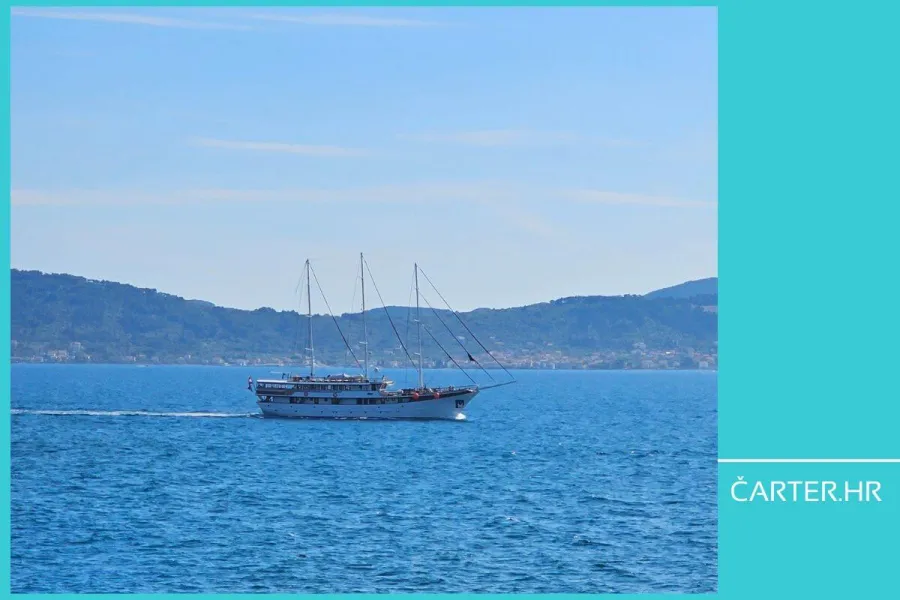
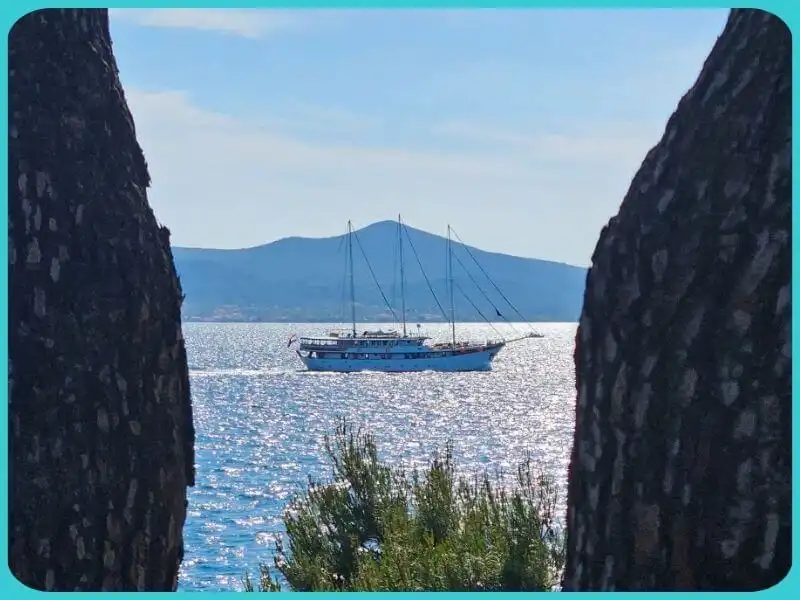
This measure applies to vessels for nautical tourism and includes existing vessels for cruising or excursions with a ship registration list according to the Regulations on the Types of Vessels for Nautical Tourism, vessels for cruising or vessels for excursions as stated in NN 68/19.
A total of 800,000 EUR is allocated for this measure, and applicants can receive support from 20,000 EUR to 30,000 EUR, with a support intensity of up to 70% of the total eligible costs.
Eligible costs include the purchase and installation of new equipment related to environmental protection and circular economy, such as devices for biochemical treatment of wastewater (black and gray) on the vessel.
Eligible beneficiaries are small business entities with a registered activity for vessels in nautical tourism according to NKD 50.10 (Maritime Coastal Passenger Transport) or 50.30 (Passenger Transport on Inland Waterways), and one of the criteria is that they had at least two full-time employees in the previous year on an annual basis.
The call is open until April 10.


Silvija Domitrović Došen
Silvija Domitrović Došen is a consultant specialized in the preparation and implementation of EU-funded projects and other funding sources, with over 15 years of experience in strategic planning and project management. She focuses on preparing project documentation and coordinating all project phases, from planning to evaluation, while actively monitoring calls for grants to ensure access to financial opportunities. Through collaboration with the private sector, civil society, and public institutions, she has gained a wide range of experiences that allow her to develop innovative solutions tailored to market needs. Her deep understanding of the specific requirements of all sectors contributes to the high-quality and efficient implementation of projects, leaving a significant mark on the development of various initiatives.
Categories of trends
- News
- Sale
- Marketing
- SEO
- Web design
- Social media
- Technology
- Regulations
- Management
- Education
- Finances
- User experience
- Graphic design
Newsletter
Sign up for the newsletter and receive the latest trends and tips straight to your inbox