- 09.12.2025.
- News, Management
Many small yacht charter companies start out with a few boats and plenty of motivation, but without a clear plan for what comes next. Some rely solely on agencies, others copy what the bigger companies are doing. And then everything starts looking the same. Want to be different? Want to work smarter? Want to understand who you're really speaking to? Then this text is for you.
Most small yacht charter companies start the same way. A few boats are purchased, a website is made, they connect with booking systems, the first guests arrive, and the season begins.
Then they start looking at what others are doing, copy them, maybe even create some social media profiles, post a few photos, and that’s it. And a problem appears; everything looks the same.
Everyone offers the same "sailing experience."
And marketing? That somehow stays "for later."
If all of this sounds too familiar, you're not alone. And you didn't make a mistake if you started that way. The problem begins if you stay on that path.

If you want to survive as a small yacht charter, you have to play differently
Small yacht charter companies don’t have dozens of boats or big budgets for marketing campaigns. And they don’t need them.
That is exactly where their real strength lies. Small companies can make quick decisions because they don’t need approval from higher management.
They can be present where their guests really are. They can talk instead of sending automated replies. If a mistake or issue comes up, they can fix it right away. Big systems don’t work like that.
All of that only works if you know who you’re talking to and what exactly you’re offering. Without a recognizable voice, it's easy to get lost in the crowd. That means you should:
- Clearly say who you are and what makes your yacht charter different from ten others in the same marina
- Avoid hiding behind generic phrases like “discover the magic of the Adriatic” or “enjoy an unforgettable sailing adventure”
- Show the face (or voice) behind the company – guests don’t choose a logo, they choose people
- Be willing to talk about things most avoid, from real guest questions to problems that come up at sea
- Have a clear approach and style – don’t be just “another yacht charter”, be your own
Some people won’t like your approach because you’re “different.” But being different is what people remember.
It is no longer enough to have boats and a price list
Many small yacht charters still believe that it is enough to have boats docked in the marina and say: “Let the agencies fill them.”
When an inquiry comes in, they respond. When there are no inquiries, they conclude that the market is bad.
That way of working might work for one season, maybe two, but not in the long run. Without an active approach, you remain dependent on others, with no control over sales, no identity of your own, and no real plan.
A plan (and with it, growth) begins when:
- You build relationships with guests yourself, even if you only receive 5 direct inquiries a year, because each one carries the potential for a recommendation or a return
- You have at least a simple advertising plan, you know where you want to appear and who you are speaking to
- You start telling your own story, even if you are “not big enough,” because your guests respond to authenticity, not fleet size
- You deliberately choose who your guests are and what you can offer them, you are not trying to attract everyone, but those who are looking for (and know how to appreciate) exactly what you offer
Examples that show the difference
Imagine two situations.
Yacht charter A has 3 boats. The website contains a list of vessels with technical specifications and a contact form. The descriptions are generic, with no tone or style. The vessel photos are taken from the manufacturer. Social media profiles exist, but posts are rare and there is no communication. Everything seems fine, but there is no character.
Yacht charter B also has 3 boats. The website includes a section with frequently asked guest questions with detailed answers, a blog with short tips for new guests, and several short videos from the base. The videos explain what guests can expect, from arrival to departure. Every week, something from the base is posted on social media – a photo of a boat at sea, a guest comment, a technical issue they quickly resolved, real situations…
Both charters offer similar boats and similar prices. But only one of them leaves a mark. Only one builds trust before the guest even sends an inquiry.
Only one communicates like a real person. Guess which one the guest will contact next time, directly, without an agent.
What small yacht charters often do, but actually shouldn’t
There are many decisions that look like an investment in the business, but in reality only take your time and money.
- Expensive video materials that say nothing - professional production without content that explains or shows something to guests, it only looks nice but does not help sales
- A profile on every possible platform that you are not ready to maintain - it is better to have one profile and be active and consistent on it than be everywhere and post occasionally or when you remember
- Poor translations - incorrect expressions, illogical sentences, and wrong tones will chase away potential guests before they send an inquiry
- Fear that you are not “professional enough” to publish a post - if you wait for the perfect moment or the perfect photo, you will never show who you are. That fear blocks every chance for people to recognize you, remember you, and want to contact you.
- Communication without tone and character - if everything sounds and looks the same as others, you will not stand out in any way and no one will remember you
In a small yacht charter you cannot waste time on something that has no substance.
There is no need to copy someone else’s style. It is better to be clear, authentic, and consistently present. Guests are not looking for perfection, but for someone they can trust.
How to know you are not just another yacht charter in the crowd
A real sign of difference is visible when a guest recognizes your offer even without the logo, company name, or location. Such an impression does not happen by accident.
It is created by repeating the same tone, working consistently, and sending a clear message. Instead of getting lost among many others, you leave your mark. You become a yacht charter with its own way of working, recognizable by its style, language, and relationship with guests.
You can achieve this when:
- You have a unique communication style that is repeated across all channels and gives the impression that a real person stands behind everything
- You write posts and content that do not sound like copied material, but clearly show how you work and what you offer
- Guests mention you by name, not by location or boat number
- People recommend you because they know what to expect
Recognition is not created by the size of the fleet, but by the way you speak to guests and how much you stand behind what you represent.
Who are the guests you want to attract
You don’t need everyone. Nor should you want just anyone in your yacht charter.
It is much easier to run a business when you know who you want to attract and who you will consciously let go elsewhere.
Real value comes from relationships that can be built with guests, not from fighting over every inquiry that arrives.
You need a guest who:
- Wants communication with a person, not a “system” – someone who appreciates that you respond as a human being and does not feel like they are receiving automated forms
- Values simplicity and honest service – clearly understands what is included and what is not, without fine print at the bottom of the text
- Does not necessarily look for the lowest price, but for value – knows that cheaper can sometimes end up costing more
- Asks for recommendations because they trust you – assumes you know best, feels confident and is willing to follow your suggestions
Such a guest does not choose based on price or on who appears first on booking platforms.
What matters more is who they can trust. That is why they need to be able to recognize you even outside those platforms, by the way you write, present yourself, and speak with people.
A strong impression is created before an inquiry even arrives.
Where most small yacht charters lose value
Time, energy, and money often go into the wrong things, while the important ones are neglected. Small companies do not have much room for mistakes, yet many keep repeating the same ones.
The most common mistakes are:
- Descriptions and offers that say nothing concrete – full of phrases, with no clear tone, as if written by someone who has never been on a boat
- Not responding to messages – responses are delayed, generic messages are sent, or no response at all
- Campaigns without a goal or plan – random posts on social media, without a clear message, no purpose, and no tracking of results
- Not knowing who the real guest is – trying to attract everyone, and ending up attracting no one
- Relying solely on agencies – handing over all sales contact to others, and losing any relationship with guests
- Not tracking what works and what doesn’t – not learning from results, but repeating the same posts and marketing methods year after year
You don’t need a big strategy, but a clear direction. When you know who you are, how you work, and who you are speaking to, it becomes easier to decide where to invest your time and energy. You know what is worth continuing and what you can let go of.
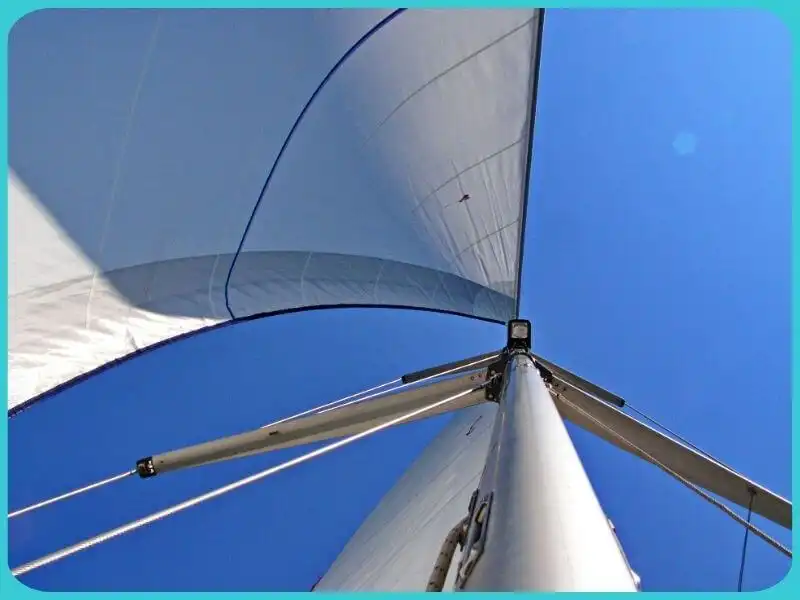
End of the season is not the end but the start of preparation
When the season ends, the work does not stop. That is exactly when you should begin preparing for the next season.
If you leave all the preparations for spring, you have already lost months that could bring you inquiries and visibility.
The season is not built at the last minute but in autumn, while impressions are still fresh and the competition is mostly quiet.
A little is enough, as long as it is consistent:
- One post per week that shows your way of working – for example, a photo of departure, a detail from the base, or a short explanation of something your guests often ask
- Answers to frequently asked questions – publish a clearly written list of information on your website that guests often look for: what is included in the price, when is check-in, are there shops nearby
- An email to former guests – a short thank-you message that shows you remember them and appreciate their trust, while also leaving the door open for future contact
All of these are small tasks that do not take much time. At the same time, step by step, you build recognition, trust, and a base of people who will be happy to contact you when they start planning their holiday.
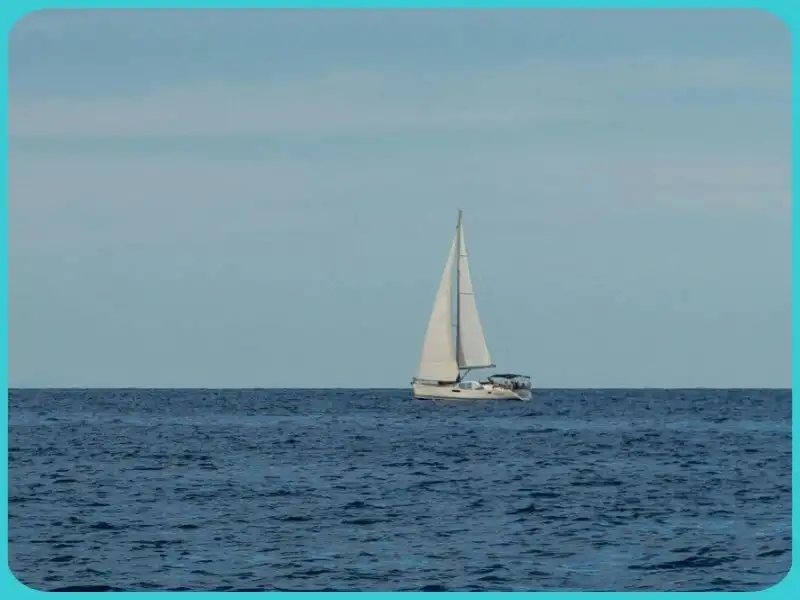
And finally: you don’t need to be big, but you do need to be yourself
There are already many yacht charter companies on the Adriatic, but not all of them are recognizable.
Guests are not looking for another boat with the same description, the same prices, and the same answers as the others. They are looking for an experience they will remember and someone they can trust.
And if you are a small yacht charter, that is not a weakness. A smaller number of boats means more control, better communication, and a greater chance that each guest will be satisfied.
Your strength lies in how you work. The question is whether you will leave a good impression and be remembered for your approach or disappear in a sea of the same.
Start with what you have. Write and speak in your own words. That is enough.

Want to grow your business without copying others? Contact us.
We help yacht charter companies that want to work smarter, more clearly, and better.

Categories of trends
- News
- Sale
- Marketing
- SEO
- Web design
- Social media
- Technology
- Regulations
- Management
- Education
- Finances
- User experience
- Graphic design
Newsletter
Sign up for the newsletter and receive the latest trends and tips straight to your inbox