In the new column by Selma Ćubara, read why B2B boat shows like CCE and ICE are still key to the growth of yacht charter companies - but only if you use them as part of a broader marketing and sales strategy. Without preparation, goals, a CRM, and digital support, a boat show won’t bring you results, only costs. Through concrete examples and industry insights, find out how to connect offline and online activities for real impact, and why it’s time for the yacht charter industry to finally stop waiting for someone else to make the first move.
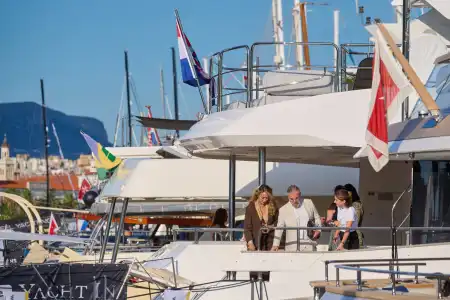
Biograd Boat Show starts tomorrow, and at its core, CCE (Croatia Charter Expo) is the place where agents and yacht charter companies engage in a business dance.
If you’ve already decided to say “boat shows don’t make sense anymore in the age of digital marketing,” feel free to skip this text. Or maybe better - stay! Keep reading, maybe it’s time for a little reality check.
Today, everyone’s talking about AI, CRMs, and inbound marketing, yet many yacht charter companies still manage their leads in Outlook or simply as options in some booking system. Optionally, there’s an Excel sheet with three tabs: Name and surname, phone number, and note: “maybe for next season.”
Let’s be clear, there’s nothing wrong with simplicity, but there is with being outdated.
So how can a B2B boat show be a marketing tool? And how is it not outdated? Simple - if you use a boat show as part of your strategy, not as a team trip, then it definitely has value.
A boat show is not an expense. A boat show is content. A boat show is a lead. A boat show is a relationship.
Boat shows are still the fastest way to build trust in the B2B world. No Zoom call can replace 15 minutes of face-to-face conversation with someone you might enter a multi-season business relationship with.
But here’s where many go wrong:
- They come without a clear strategy.
- They haven’t scheduled a single meeting before arriving.
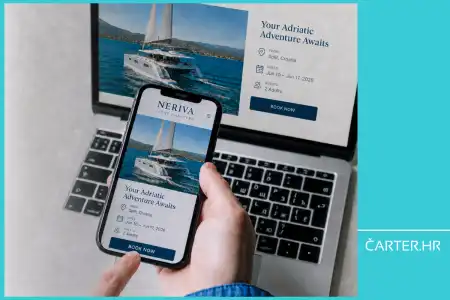
- They haven’t prepared a pitch. They’re not digitally equipped. They don’t even have a QR code on their business card.
- And worst of all, they return home without a follow-up, because “there’s no time.”
If that’s what you’re doing, you’re wasting money - and your own and other people’s time.
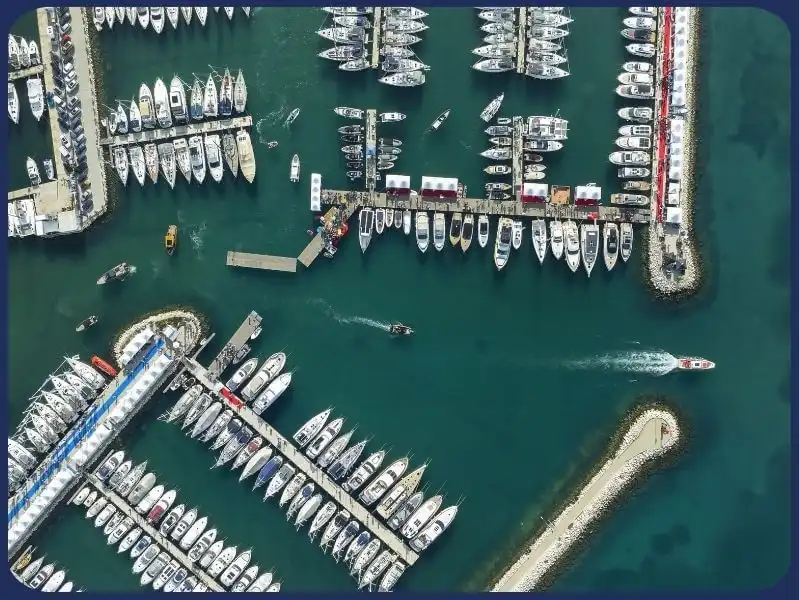
Biograd and CCE: Home turf, but serious game
CCE is one of the rare B2B events in the region where you can speak in one place with agents from all over Europe, as well as with local players who might become partners for the next season. Whoever you’re selling to, this is the boat show where decisions are made - not just boats admired.
If you’re not on anyone’s radar there, it’ll be hard to “squeeze in” to more serious talks later. But again, presence is not enough. Visibility is key.
And that’s where digital marketing comes into play.
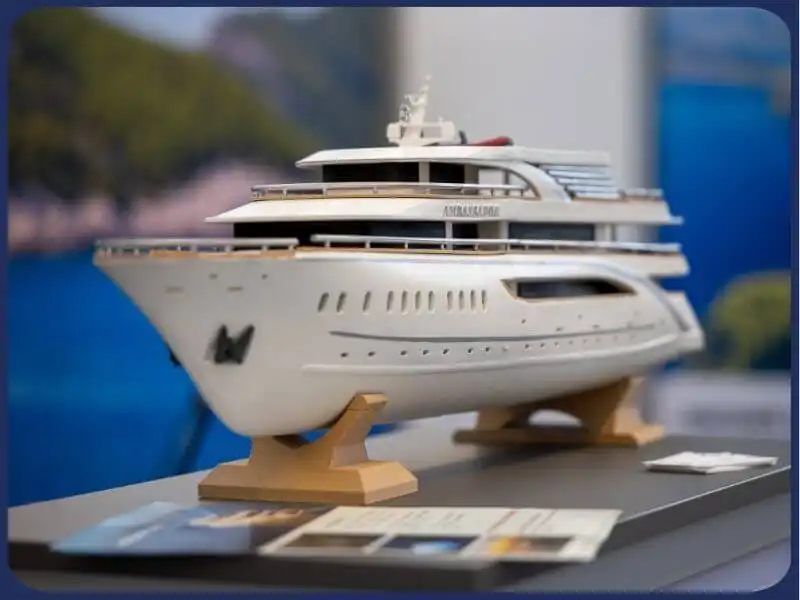
ICE Amsterdam: A place you don’t go to be seen, but to be remembered
In three weeks, from 12 to 14.11.25., ICE - International Charter Expo - takes place in Amsterdam. There is no time to waste there. People come prepared for meetings, with spreadsheets, numbers, and objectives.
If you want to get into serious agency traffic flows, if you want to develop an international network, ICE is not “maybe we’ll go,” but “we’re definitely going.”
But again, what’s the point of having 15 meetings if:
- you don’t have a CRM to connect them all,
- you don’t have a system to “feed” them with newsletters, remarketing, automations?
You know what that makes you? Just another “nice to meet you” in the inbox of some agent who won’t remember you once they close their laptop.
Digital marketing is there to connect the dots - before, during, and after the show
I hear it all too often:
- “We don’t need that, we work through referrals.”
- “We all offer the same thing, and agents already know us well.”
- “We don’t want that ‘AI and automation,’ we do everything personally.”
Sound familiar?
That’s a mindset that doesn’t build a brand. It doesn’t create loyalty. And it doesn’t survive market changes.
Digital marketing is not just advertising. It’s how you:
- schedule meetings in advance with the right people
- send personalized messages after the show
- create content that positions you as an authority
- nurture leads until they become clients
- track the ROI of the show - because without measurement, everything is just a feeling
And yes, AI can write follow-up emails, analyze your CRM data, and even generate predictive models for charter pricing. But that’s already an advanced level. If you’re not digitally structured at the base, don’t worry about AI yet. Start with the foundation.
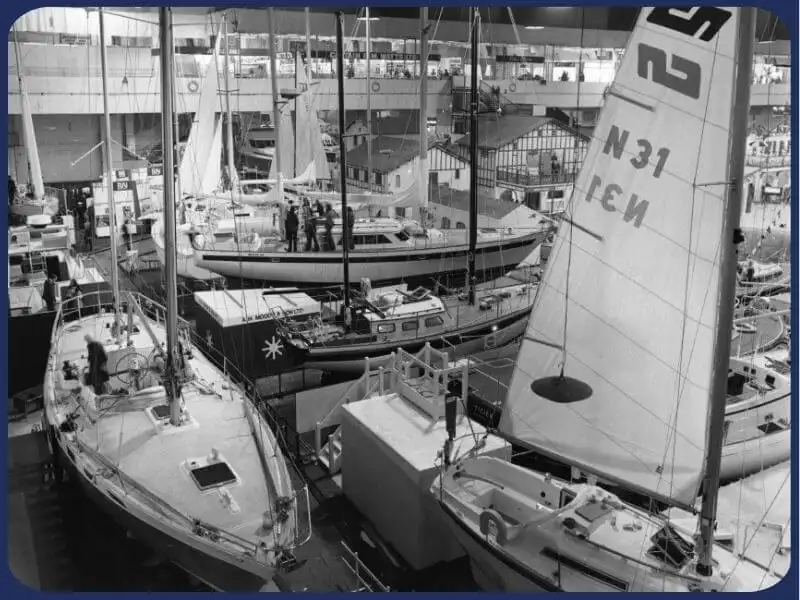
If you do the same, you’ll get the same - and the market won’t wait
In the yacht charter industry, we’re used to planning the season by calendar, and marketing by impression.
But we no longer talk about “a beautiful boat and a good price,” we talk about experience, reliability, and efficiency.
And that’s exactly why boat shows make sense - if we use them as a platform for strategic change, not just to collect business cards.
That’s why I won’t ask you “do you have time for digital marketing?” Instead:
Do you have time to wait another season for someone else to change first?
Here’s what to do if you want something different:
- Analyze your leads - who they are, where they come from, where you’re losing them
- Review past boat shows - did you actually close anything new or just “show up”?
- Work with a team that understands technology - but also what a real charter season looks like - with agents, fleets, and last-minute panic
Because change doesn’t come with the calendar start of the season.
It comes when you decide to do things differently and better.
And yes, we can meet in Biograd or Amsterdam.
But real collaboration starts when you decide you don’t want yet another “standard season.”
If you recognize yourself in any of this, maybe it’s time we meet in person and start building something smarter for the next season.
Schedule a meeting or contact us directly.



Selma Ćubara
Selma Ćubara is a digital communications specialist with 20 years of experience in nautical tourism, especially in the yacht charter industry. Her writing combines practical knowledge, a passion for digital communications, and an understanding of the needs of today's guests and charter companies. Through clear advice, meaningful texts, and concrete digital strategies, she helps charter companies better position themselves online and attract quality guests. She brings proven information, practical experience, and an authentic insider's perspective to čarter.hr.
Categories of trends
- News
- Sale
- Marketing
- SEO
- Web design
- Social media
- Technology
- Regulations
- Management
- Education
- Finances
- User experience
- Graphic design
Newsletter
Sign up for the newsletter and receive the latest trends and tips straight to your inbox